Found Droppings in Your Camper Last Spring? It Wasn't Your Fault. Here's What Dryer Sheets, Peppermint, Traps and Steel Wool Actually Do in a Stored RV, and the Layer Owners Add for the Spots They Can't Seal.

Before you close it up this fall: read this first. It takes about three minutes, and it changes where you put things on closing day.
If you've ever opened your camper in spring to droppings in the silverware drawer or chewed-up napkins in a cabinet, and wondered what you did wrong, this is for you.
Here's what a stored rig goes through:
- 01
Closing day. You drain the lines, cover the vents, lock the door.
- 02
The first hard freeze. Mice start looking for somewhere warm and quiet. A closed-up camper is both.
- 03
Midwinter. The rig sits. Nobody opens a door. Maybe you're two states away.
- 04
Opening day. You find out.
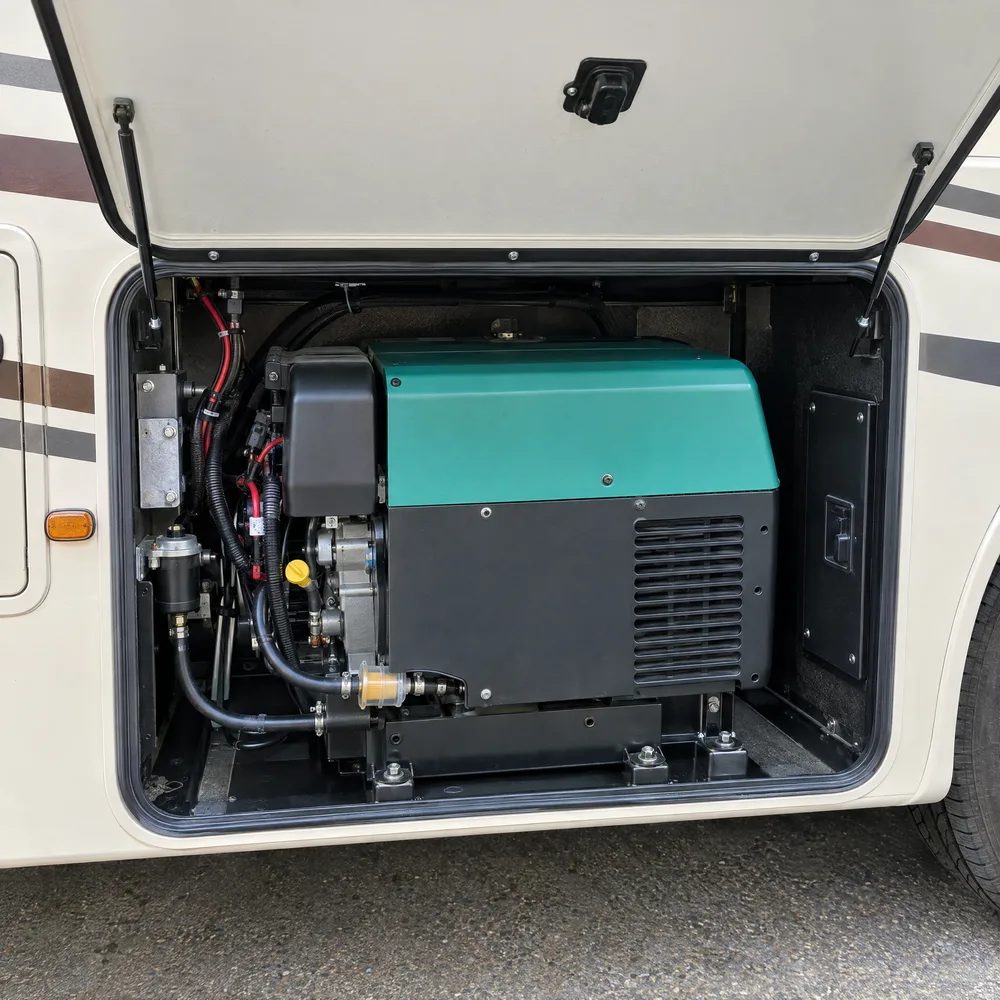
Sometimes it's more than droppings. One owner on the forums wrote about a nest built inside the generator windings, and the generator pulled out for repair. One owner in our comments put a number on it: $10,000 in repairs, one winter. (His full comment is further down.)
Not every winter goes like that. But nobody wants to find out on opening day.
It wasn't you.
Most of the fixes we all use were made for a house, where somebody's home every day to check them.

A stored rig has nobody home. Traps only work if somebody empties them, and nobody's getting through the snow to a storage lot in January. Poison can leave a dead mouse in a wall you can't get to.
 Dryer sheets.
 Plenty of owners swear by them, and if they're working for you, keep at it. Some owners open up to find the mice made a nest out of them.
 Peppermint on cotton balls.
 If the tray's on the counter, they don't come in through the counter. They come in under the skirt and up through the bays.
 Steel wool and foam.
 Do it. That's the real barrier. A mouse can fit through a hole the width of a pencil, so close every gap you can reach. The trouble is the ones you can't.
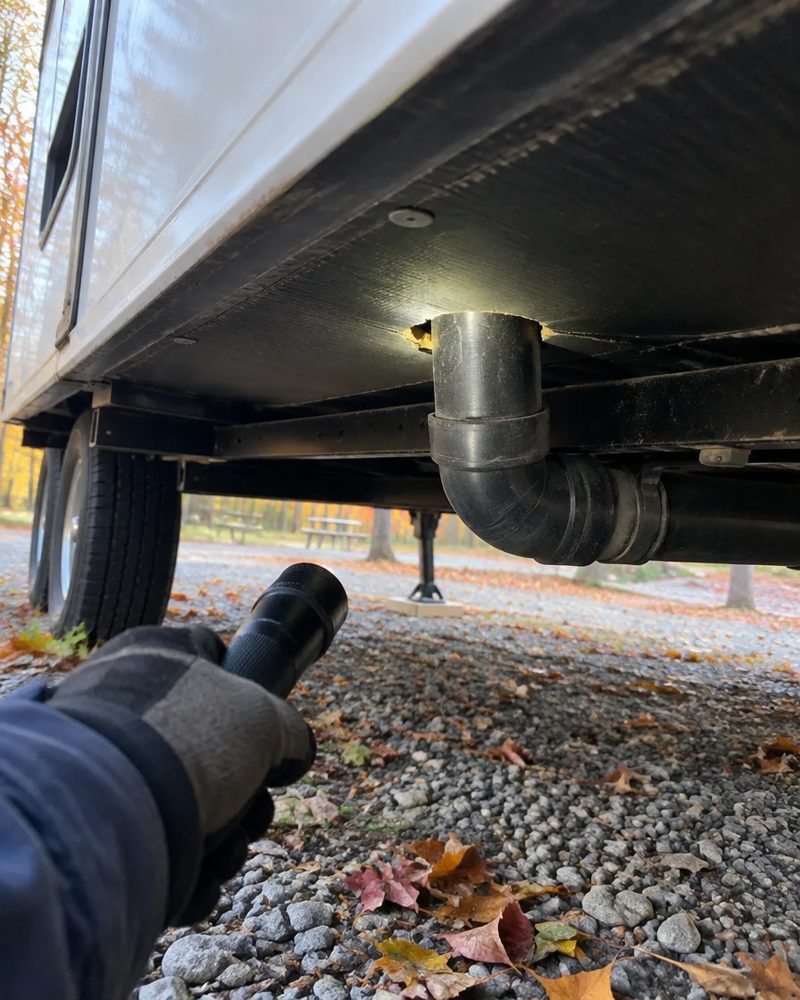
As one owner on the forums wrote: "I like to prevent access and have covered every opening I can find. Problem is I can't find them as well as the rodents!"
Seal What You Can. Cover What You Can't.
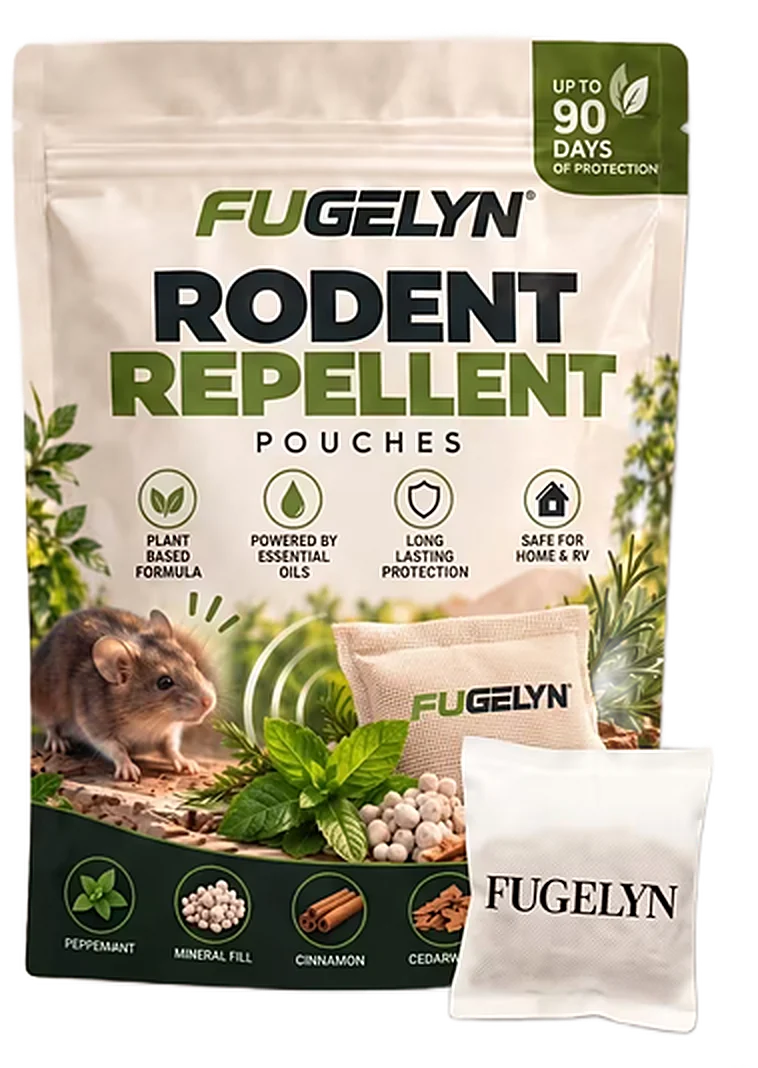
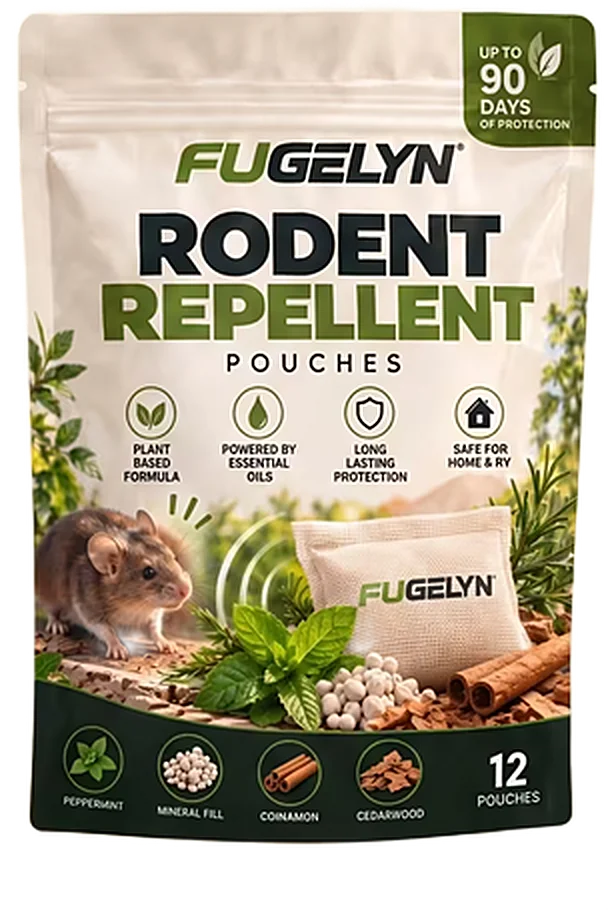
That's the whole idea behind FUGELYN RV Mouse Repellent Pouches. Steel wool and foam go in every gap you can reach. These go by the spots you can't: under the skirt, the wet bay, the basement compartments, the back of the cabinets.
What's actually in the pouch.
Three plant oils, peppermint, cinnamon and castor, held in a mineral base.
It's a repellent. It doesn't kill anything. It puts a strong scent in the spots where you place it, and mice don't like to settle where that smell is.
If a pouch has let you down before, check what was in it.
"They ate through a bag in my camper. So they must have liked the smell of it." one owner wrote. A lot of pouches use a corn cob fill, and corn cob is food. These use a mineral base instead.


We won't promise a mouse will never chew a bag. We will tell you exactly what's in ours: three oils, a mineral base, no corn cob, no poison.
What it is, and what it isn't:
- It's a repellent, not a killer.
- It's a layer next to sealing, not a replacement for it.
- No poison and no traps to bait or empty.
- Nothing to plug in, which matters at a storage lot with no power.
- It won't fix a camper that's already full of mice. That's a job for sealing and a pro.
Where owners put them.
 1
2
3
- Lower cabinets and under the sink.
- Along the plumbing and water lines.
- By the dash, where the wiring runs.
- The wheel wells, the underbelly panels, the exterior bays.
- If you store a tow vehicle with the rig, a couple go in its engine bay and under the seats.
"I have sealed what I can, but I know there are likely some places under the skirt, that I simply cannot access."(An RV owner on the iRV2 forum)
One owner's winter, in his own words.
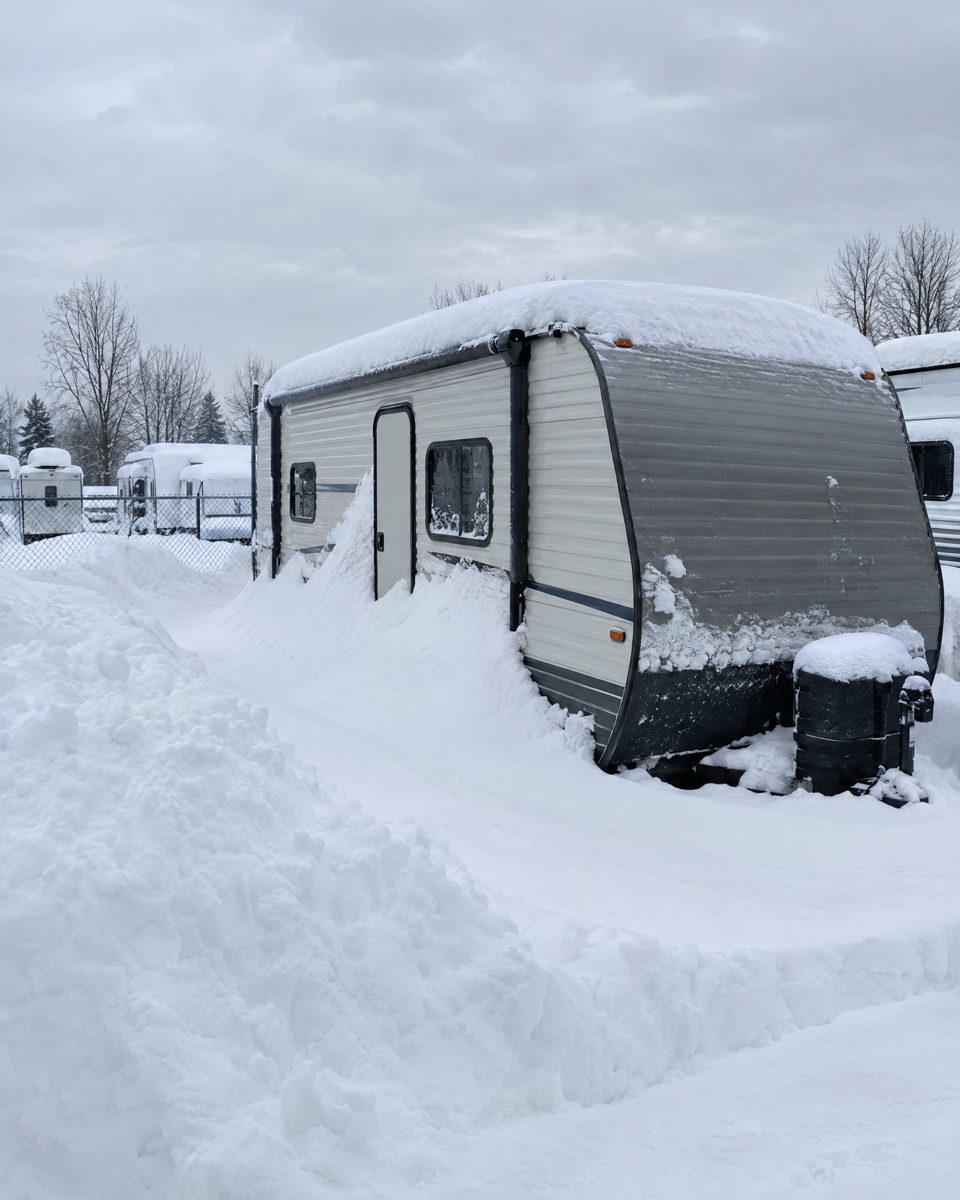
Earlier this month, one RV owner left a comment on our ad:
"Mice cost us 10,000.00 in repairs one winter. Over 400 bounce sheets. Sticky traps only work if we are able to access trailer through the snow banks, etc etc"
He had the dryer sheets out, and traps he couldn't get to through the snow banks. That's the gap these pouches are for: the spots you can't reach and can't check.
Here's the routine: seal every gap you can reach, then put a pouch by every spot you can't. There's a pack sized for each rig, so you don't have to guess.
RV owners are trying them this year.
What owners told us they're hoping for
(answers from our post-purchase survey, not reviews):
"A happier spring opening"
"A rodent free RV"
"No worries"
"Peace of mind"